If you are thinking about a move to Mystic, you are probably wondering whether it feels like a tourist destination, a true hometown, or a little of both. That is a fair question, especially if you want a place that offers coastal character without giving up everyday convenience. The good news is that Mystic offers a mix of waterfront charm, neighborhood living, and year-round activity, with Old Mystic giving you a quieter side of that lifestyle. Let’s dive in.
Mystic Is a Village, Not a Separate Town
One of the first things to know is that Mystic is not its own town. It is a shoreline village area connected to both Stonington and Groton, and Old Mystic is shared between the Groton and Stonington sides.
That matters because when people say they live in Mystic, they may mean slightly different settings. Some live near the busy downtown and riverfront core, while others live in more residential pockets like Old Mystic, where the pace feels calmer and the commercial activity is lighter.
Old Mystic Feels More Residential
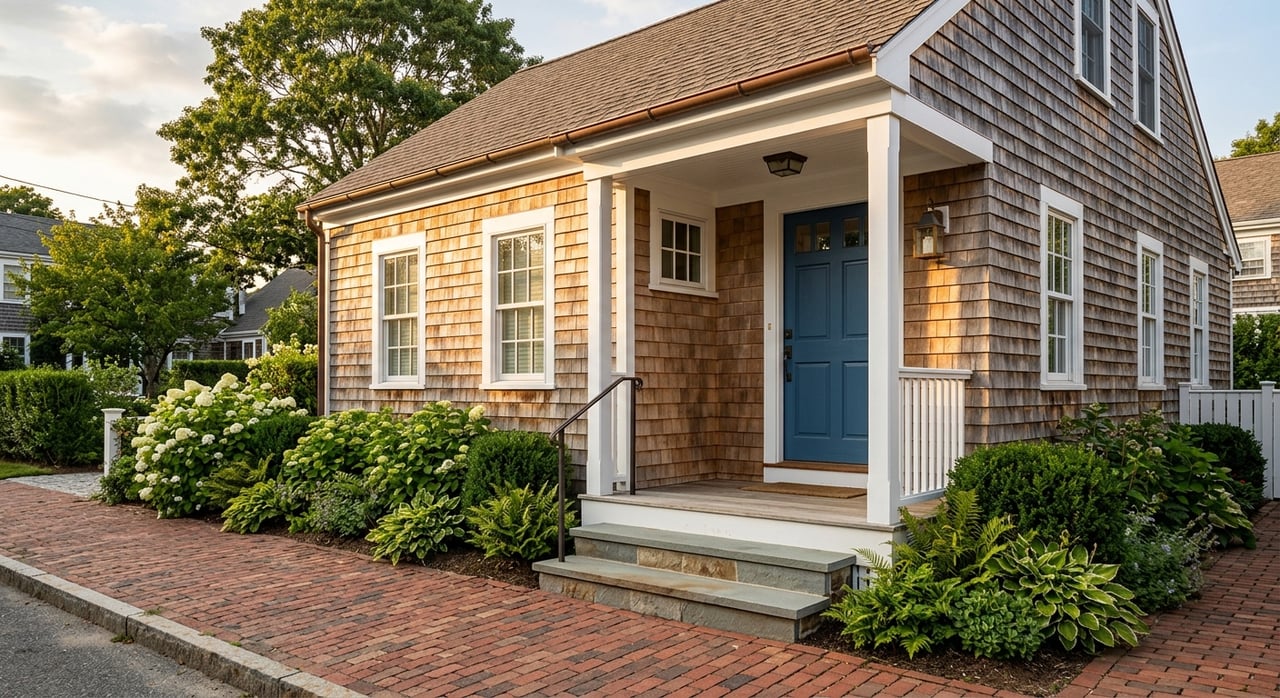
Old Mystic stands out for its tucked-away feel. Planning documents describe it as the smallest of Stonington’s villages and the least commercially developed, with late-19th-century buildings, small stores, offices, and single-family homes.
In day-to-day life, that often translates to a more neighborhood-focused experience. If you like the idea of being near Mystic’s attractions without living in the middle of the busiest areas, Old Mystic may feel like a better fit.
Downtown Mystic Brings Energy and Activity
Downtown Mystic is where much of the area’s buzz happens. You will find independent shops, galleries, seafood spots, bakeries, bistros, and other dining options gathered around the waterfront.
This part of Mystic appeals to people who enjoy being close to activity and walkable destinations. It feels polished, scenic, and lively, especially during the busier seasons when visitors and residents are all out enjoying the riverfront.
The Bridge Is Part of Daily Life
A unique part of living in Mystic is the Mystic River Bascule Bridge. It connects both sides of downtown and opens about 2,200 times a year, with hourly daytime openings in summer.
That means bridge traffic is not just a fun local detail. It is part of the routine. Some people enjoy the maritime character it adds, while others prefer to live a little farther from the downtown core to avoid extra traffic and delays.
Things To Do in Mystic Year-Round
Mystic offers more than pretty views. It has a wide range of attractions and activities that keep the area active throughout the year.
Mystic Seaport Museum sits along the river on 19 acres and recreates a New England coastal village with a working shipyard and historic watercraft. Olde Mistick Village adds another popular destination with open-air shopping, dining, and a colonial-style setting.
The Mystic Bridge Cultural District also highlights parks, playgrounds, waterfront activities, sailing excursions, and events throughout the year. If you like having places to explore close to home, Mystic gives you plenty of options.
What Everyday Living Feels Like
Living in Mystic often means balancing scenery and convenience with seasonal energy. You can enjoy river views, shoreline character, and local businesses, but you should also expect more movement and activity than you might find in a quiet inland neighborhood.
That is one reason Old Mystic draws buyers who want a slightly more relaxed rhythm. It offers easier separation from the busiest waterfront areas while still keeping you connected to Mystic’s wider lifestyle and amenities.
Who Often Likes Living in Mystic
Mystic tends to appeal to a wide mix of buyers because it combines location, amenities, and coastal atmosphere. Based on the area’s transportation links and lifestyle features, it often attracts people who want a walkable shoreline setting, easy access to dining and shopping, and a strong connection to the water.
It can also be a practical choice for commuters and out-of-area buyers. Stonington’s town materials note that the area is within two hours or less of Boston, Providence, New Haven, Hartford, and New York City, and Amtrak serves Mystic directly.
For some buyers, that combination is the sweet spot. You get a distinctive village setting without feeling cut off from larger job centers or regional travel.
Mystic Is Scenic, But Not Sleepy
This is an important point if you are trying to picture your day-to-day experience. Mystic has a lot of charm, but it is not a hidden, ultra-quiet shoreline pocket.
Because the area is shaped by tourism, attractions, events, and waterfront commerce, the atmosphere is generally active. If you enjoy a place that feels vibrant and well-loved, that can be a major plus. If you want a setting that stays quiet and low-key year-round, Old Mystic or another more residential area may suit you better than downtown.
Housing in Mystic and Old Mystic
The housing mix in the broader Mystic area varies by setting. Planning documents describe denser village areas with more mixed-use and multifamily development, while lower-density inland areas are more heavily single-family.
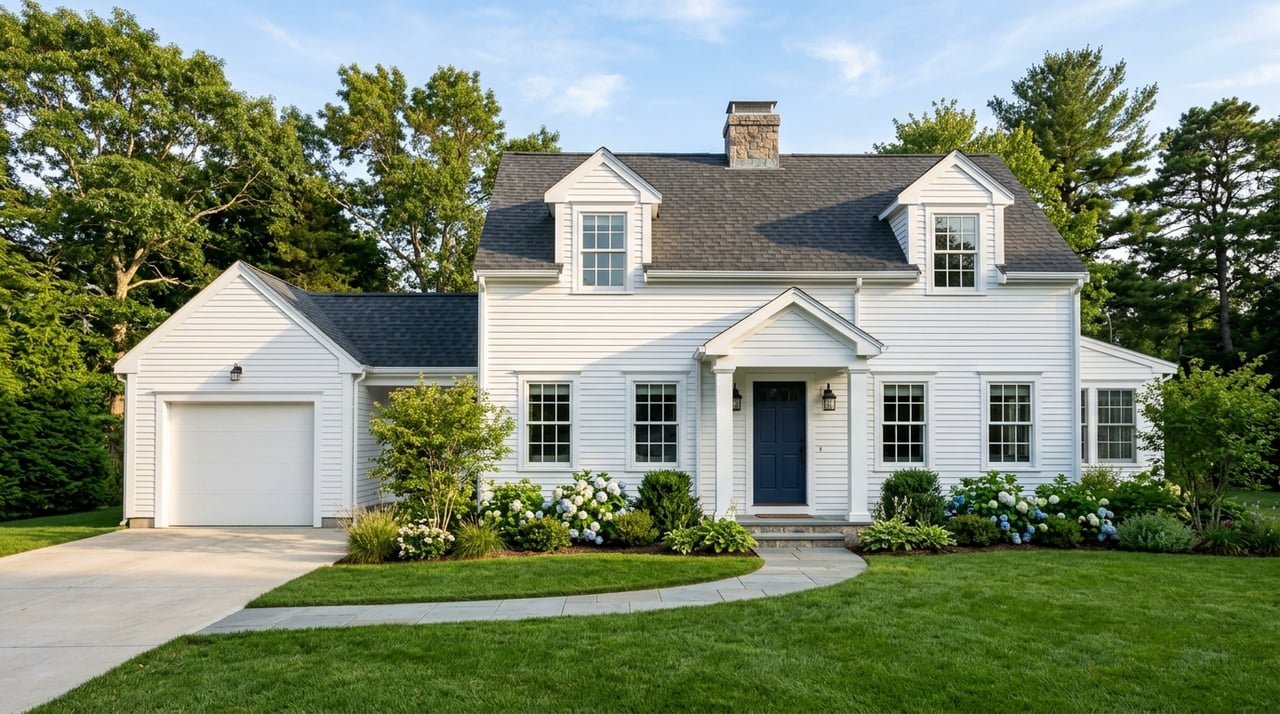
For buyers, that means you may see a range of property types depending on where you focus your search. In and around the market, options can include ranches and Colonials in Old Mystic, multi-family and mixed-use buildings near village areas, and condos or waterfront homes closer to downtown and the river.
Price Positioning Depends on Location
If you are comparing homes in Mystic, setting matters a lot. Smaller homes and non-waterfront properties are often the more approachable entry points, while riverfront, harbor-view, walk-to-town, and historic downtown locations usually carry a premium.
That does not mean every home follows the same pattern. It does mean you should expect location and lifestyle benefits to play a major role in value, especially in a shoreline market like this one.
Pros of Living in Mystic
There are several reasons buyers continue to focus on Mystic and Old Mystic:
- Coastal New England character with a strong sense of place
- Walkable downtown amenities in the village core
- Year-round dining, shopping, and attractions
- Access to waterfront activities and maritime settings
- Regional convenience with Amtrak service and access to major cities
- A quieter residential option in Old Mystic for buyers who want some separation from the busiest areas
Tradeoffs To Consider
No town or village is a perfect fit for everyone. Mystic’s strengths can also create a few everyday tradeoffs.
During busy times of year, visitor traffic, parking pressure, and general circulation can feel more intense than in a purely residential shoreline area. The drawbridge adds to local character, but it can also affect travel patterns and timing.
For many buyers, that is simply part of the package. The key is knowing whether you want to be in the middle of that energy or just close enough to enjoy it when you choose.
Is Old Mystic a Good Fit for You?
Old Mystic may be worth a closer look if you want access to Mystic’s shops, dining, waterfront, and attractions without being right in the center of the busiest village activity. It offers a more residential environment and a calmer day-to-day feel while still connecting you to the larger Mystic lifestyle.
That balance can be especially appealing if you are relocating, buying your next home on the shoreline, or trying to narrow down which part of Southeastern Connecticut best fits your routine. In a market where street-by-street differences matter, local guidance can make a big difference.
If you are considering a move to Mystic or Old Mystic, working with an experienced shoreline agent can help you compare locations, understand the feel of each area, and find the right fit for your goals. When you are ready to talk through your options, Linda Johnson Hille offers hands-on local guidance across Mystic and Southeastern Connecticut.
FAQs
What is the difference between Mystic and Old Mystic in Connecticut?
- Mystic refers to the broader village area that spans parts of Stonington and Groton, while Old Mystic is a smaller, more residential village area at the headwaters of the Mystic River.
What is daily life like in downtown Mystic, Connecticut?
- Downtown Mystic is active and walkable, with shops, galleries, restaurants, bakeries, waterfront areas, and regular bridge traffic as part of everyday life.
Is Old Mystic, Connecticut, quieter than downtown Mystic?
- Yes. Old Mystic is described in local planning materials as the least commercially developed of Stonington’s villages, which gives it a quieter and more residential feel than downtown Mystic.
What kinds of homes are available in Mystic and Old Mystic?
- Buyers may find single-family homes such as ranches and Colonials in Old Mystic, along with condos, waterfront homes, and some multi-family or mixed-use properties in other parts of the Mystic market.
Is Mystic, Connecticut, a good place for commuters?
- It can be, especially for buyers who want shoreline living with regional access. Local town materials note that Mystic is within two hours or less of Boston, Providence, New Haven, Hartford, and New York City, and Amtrak serves Mystic directly.
What should buyers know before moving to Mystic, Connecticut?
- Buyers should know that Mystic offers charm, amenities, and waterfront appeal, but it also has seasonal traffic, busy visitor periods, and bridge-related circulation that can shape daily routines.