Thinking about buying a historic home in Stonington? It can be an exciting move, but it also comes with extra layers that newer homes usually do not. If you love the charm, craftsmanship, and shoreline setting of older properties, you should also know how local rules, renovation limits, and coastal risks can affect your plans. This guide will help you ask smarter questions, spot potential issues early, and move forward with more confidence. Let’s dive in.
Why Stonington historic homes stand out
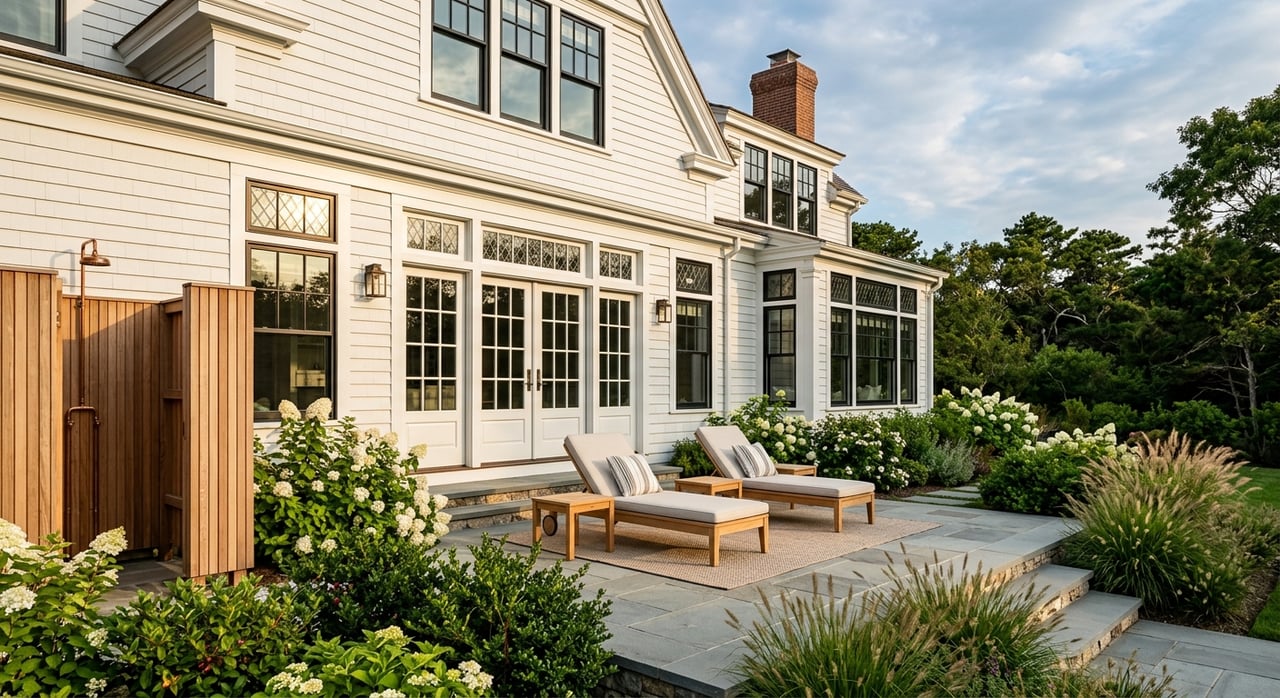
Stonington has one of those rare coastal settings where history is part of daily life. In Stonington Borough, you are likely to see preserved Colonial, Federal, and Greek Revival architecture, while other historic areas may show a mix of worker housing, Queen Anne, Carpenter Gothic, Late Victorian, and Colonial Revival details.
That variety matters when you shop for a home. A historic property in Stonington may not reflect just one time period or one clean architectural style. Instead, you may be looking at a home that has changed over generations, with additions, repairs, and updates layered over its original design.
Historic does not always mean restricted
One of the biggest mistakes buyers make is assuming every old home has the same rules. In Stonington, that is not the case.
A home can be described as historic in a listing and still have no special design review status at all. Connecticut’s State Historic Preservation Office says the first step is to confirm the property’s actual historic designation, because that designation determines whether future changes may be reviewed.
National Register vs local designation
This is the key distinction to understand before you make an offer. A National Register listing is largely honorific, while local historic designation can trigger review of exterior changes visible from a public street or right of way.
If a property falls under local historic review, certain exterior work may require a Certificate of Appropriateness. That can affect projects like replacing windows, changing doors, updating siding, or making other visible exterior alterations.
Why this matters in Stonington Borough
In Stonington Borough, the approval path can be especially important. The Borough states that its zoning rules are separate from the Town’s, and exterior changes or new construction must receive Borough zoning approval before building permits and occupancy can move forward.
For you as a buyer, that means timeline and cost can look different than expected. If you are planning to renovate soon after closing, it is smart to understand the permit sequence before you commit.
What to confirm before making an offer
If you are serious about a historic home in Stonington, your due diligence should go beyond the usual price, layout, and inspection contingency. You want to know not just what the house looks like today, but also what you may or may not be able to change later.
Here are some of the most important questions to answer early:
- What exact historic designation applies to the property, if any?
- Is the home in Stonington Borough, Mystic, Pawcatuck, or another area with a different review path?
- If exterior work is planned, which local office needs to review it first?
- Are there any known restrictions tied to visible exterior features?
- Is the property in or near a Special Flood Hazard Area?
These questions can save you from unpleasant surprises after closing. They also help you compare homes more realistically when two properties seem similar on the surface.
Pay close attention to exterior features
In historic homes, exterior materials are often more than just finishes. Windows, doors, siding, trim, and other street-facing elements may be considered important character-defining features.
That means a simple replacement project may not be treated as simple at all. If you are buying a home because you plan to modernize the outside right away, make sure your plans line up with local review requirements first.
Windows deserve special attention
Historic windows are a good example. Connecticut’s preservation guidance encourages repair rather than replacement when windows are historically significant.
For buyers, that means you should not assume a future window package will be quick or inexpensive. If the existing windows need work, ask whether repair is likely to be the preferred path and how that might affect your renovation budget.
Plan for a deeper inspection process
A standard home inspection is important, but many historic homes need more than that. Older houses often have hidden conditions that do not show up in a basic walkthrough.
Connecticut’s guidance for historic homes recommends evaluating the roof, windows, moisture issues, and mold, then building a whole-house plan that also considers possible asbestos, vermiculite, radon, and lead. This is especially helpful if you expect to renovate over time rather than all at once.
Old-house issues to investigate
If you are buying a historic home in Stonington, ask your inspector and attorney whether additional specialists make sense based on the property’s age and condition. Depending on the house, you may want to look more closely at:
- Roofing condition and signs of water entry
- Moisture and ventilation issues
- Mold concerns
- Lead-based paint in pre-1978 homes
- Suspect asbestos-containing materials
- Radon levels
- Drafty windows and doors
- Basement and attic insulation conditions
This kind of planning helps you prioritize safety, preservation, and cost. It also gives you a more realistic picture of what ownership may involve in the first few years.
Lead, asbestos, and radon are practical concerns
For pre-1978 homes, Connecticut says lead-based paint is likely present. Renovation work that disturbs painted surfaces can create hazardous lead dust, which is why lead-safe work practices and EPA RRP-certified firms are recommended for renovation and repair work.
Asbestos is another item to take seriously, especially if material is damaged or could be disturbed during remodeling. Connecticut recommends using a licensed asbestos inspector if renovation or demolition may affect suspect material, and the state also recommends home radon testing, particularly in winter when houses are closed up.
Coastal flood risk should be part of your budget
Stonington’s historic appeal comes with coastal exposure. The Town says about one-third of parcels are in a Special Flood Hazard Area, so flood planning should be part of your home search from the beginning, not an afterthought.
This matters even more if you are considering a home that needs work. Floodplain requirements can affect what improvements are possible, how they are priced, and how long approvals may take.
Why flood review matters for historic homes
Stonington’s preservation planning notes that flood compliance and preservation have sometimes been in tension. The town also advanced an exemption for historic structures from FEMA substantial-improvement requirements because flood compliance had previously contributed to some demolitions.
For a buyer, the takeaway is simple: a historic home in a flood-prone area may involve both preservation concerns and floodplain review. That is why it is wise to speak with the local floodplain manager early if the property sits in or near a flood zone.
Budget for three layers of risk
When buying a historic home in Stonington, it helps to think in three categories. This makes the process feel less overwhelming and more manageable.
| Risk Layer | What It Means for You |
|---|---|
| Designation and permit review | Your renovation plans may need local approvals before work begins |
| Hidden old-house conditions | Age-related issues may require added inspections, testing, and repairs |
| Coastal flood exposure | Flood zone status may affect insurance, scope of work, and project timing |
When you budget with these three layers in mind, you are less likely to be caught off guard. It also helps you decide whether a home is the right fit for your timeline, comfort level, and long-term goals.
How to buy with confidence
Historic homes can be deeply rewarding to own, especially in a place as distinctive as Stonington. But the best experience usually starts with clear expectations, careful due diligence, and the right local guidance.
Before you move forward, confirm the property’s designation, ask how local approvals work, review flood exposure, and build an inspection plan that matches the age of the house. If you do that upfront, you will be in a much better position to enjoy the character of the home without walking into surprises.
If you are considering a historic home in Stonington and want experienced, local guidance from the first showing through closing, connect with Linda Johnson Hille. She brings decades of Connecticut shoreline experience and can help you navigate the details with steady, practical advice.
FAQs
What should buyers check first before buying a historic home in Stonington?
- First, confirm the property’s exact historic designation, because National Register status and local historic designation can lead to very different review requirements.
Do all historic homes in Stonington need approval for renovations?
- No. A home may be old or described as historic without being subject to special design review, so you need to verify the specific designation and local approval path for that property.
What is different about buying a historic home in Stonington Borough?
- In Stonington Borough, exterior changes and new construction must receive Borough zoning approval before Town building permits and occupancy can move forward.
Are old windows a major issue in Stonington historic homes?
- They can be, because windows are often treated as important historic features, and Connecticut preservation guidance encourages repair rather than replacement when they are historically significant.
Why is flood risk important when buying a historic home in Stonington?
- Stonington says about one-third of parcels are in a Special Flood Hazard Area, and floodplain rules can affect renovation options, timing, and overall ownership costs.
What extra inspections make sense for a historic home in Stonington?
- In addition to a standard home inspection, buyers may want to evaluate moisture, mold, lead, asbestos, radon, roof condition, windows, and insulation depending on the home’s age and planned improvements.